Boiling vs filter bottle vs bottled water: what works best in Bangladesh?
What each method removes, what it really costs per litre in Bangladesh, and when to use which.
The short answer
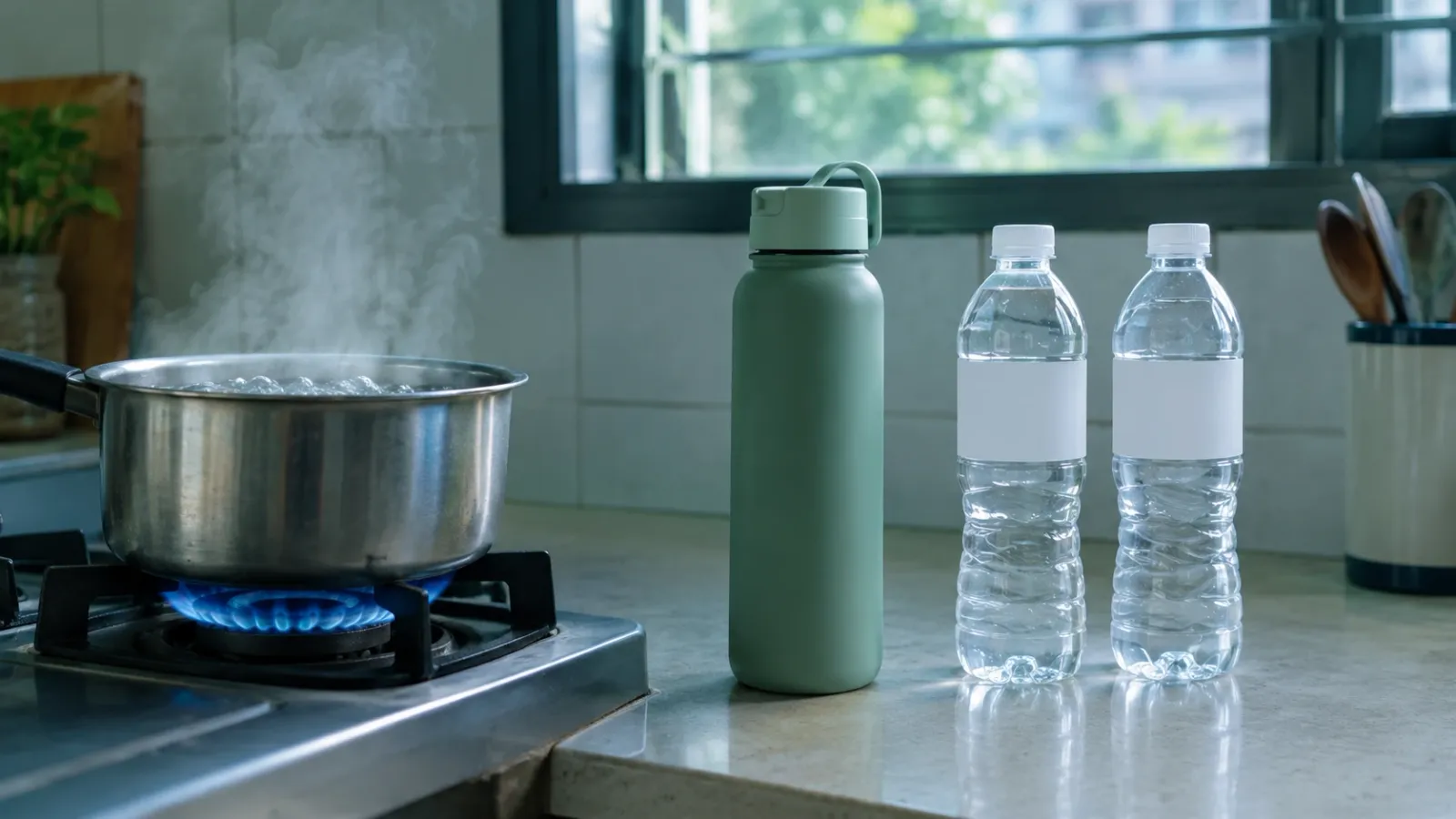
Boiling is the most complete way to kill germs, viruses included, but it costs gas and time and removes no chemicals. A filter bottle is the cheapest per litre and works instantly, but does not remove viruses or arsenic. Bottled water is convenient, the most expensive, and not plastic-free.
Most households in Bangladesh already do something to their drinking water: boil it, buy it in bottles, or run it through a filter. Each method protects against different things, costs different amounts, and fits a different part of the day. This guide puts the three side by side so you can choose, or combine them, with your eyes open.
At a glance
| Boiling | Filter bottle (Hydra) | Bottled water | |
|---|---|---|---|
| Bacteria | Killed[1] | 99% removed (BRTC certified) | Usually none |
| Parasites | Killed[1] | 99% removed (BRTC certified) | Usually none |
| Viruses | Killed[1] | Not removed | Usually none |
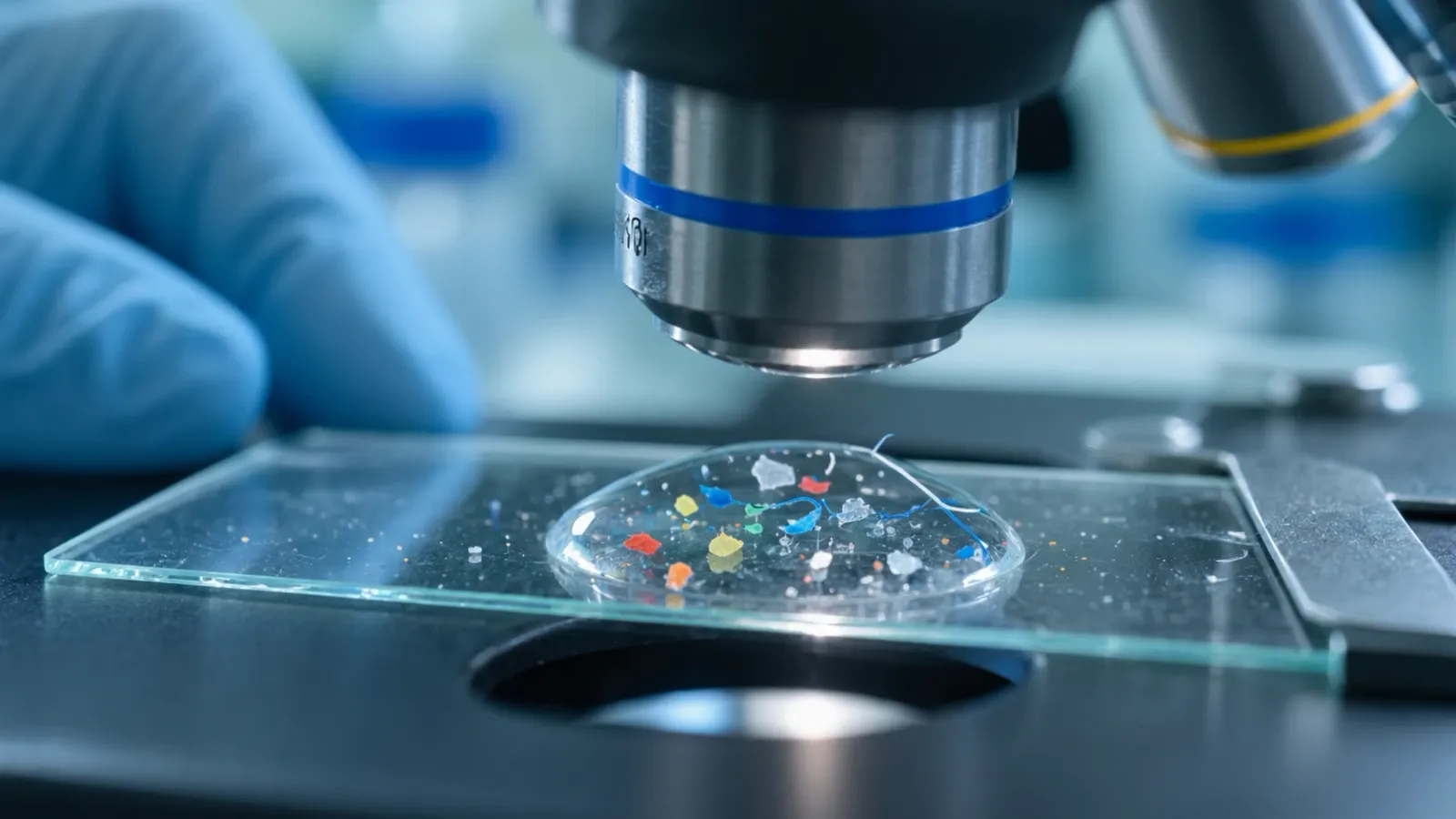
| Microplastics | Not reliably[3] | 99% removed (BUET lab tested) | Present in every brand tested[4] |
| Arsenic, salt, chemicals | Not removed | Not removed | Depends on the source |
| Cost per litre | About ৳2–3.5 in gas (our estimate) | About ৳0.20 in cartridges | About ৳20–40 |
| Ready in | 20–40 minutes, with cooling | Instantly, as you drink | Instantly |
| Take it with you | No | Yes, refill anywhere | Yes, buy again each time |
How the costs are worked out is explained below. Prices change, so treat them as a guide.
Boiling: the most complete for germs
Bringing water to a rolling boil, where large bubbles break the surface continuously, is enough to kill disease-causing bacteria, viruses and parasites. That is the World Health Organization’s guidance[1]. Some agencies, including the US CDC, suggest keeping it at a rolling boil for one minute to be safe[2].
What boiling does not do is just as important:
- It removes no chemicals. Arsenic, salt and other dissolved chemicals stay in the pot, and slightly concentrate as water evaporates.
- It is not a microplastics method. A 2024 laboratory study found that boiling hard water traps some plastic particles in the limescale that forms, removing up to about 90% in very hard water but only around 25% in soft water[3].
- It can be undone. Boiled water poured into an unwashed jug or bottle picks up bacteria again. Cool and store it covered, in clean containers[2].
A filter bottle: cheapest per litre, and it goes where you go
A filter bottle treats water as you sip: water is drawn through the filter on its way to your mouth, so there is no waiting and no power. Hydra’s three-stage filter, a pre-filter mesh, a hollow-fiber membrane and a final stage, removes 99% of bacteria and parasites; that claim is certified by BUET’s Bureau of Research, Testing and Consultation (BRTC). Microplastic removal was tested separately in BUET laboratories, at 99%.
The trade-off is what it does not remove. Hydra does not remove viruses, arsenic or salt. That makes it right for tap water, flowing river water, fountains and waterfalls, and wrong for seawater or tube-well groundwater where arsenic is a risk.
Bottled water: convenient, costly, and not plastic-free
Sealed bottled water from a reputable brand is usually free of germs, which is why many people buy it on the go. But it is the most expensive option by far, it adds a plastic bottle to the bin every time, and the water inside is not free of plastic.
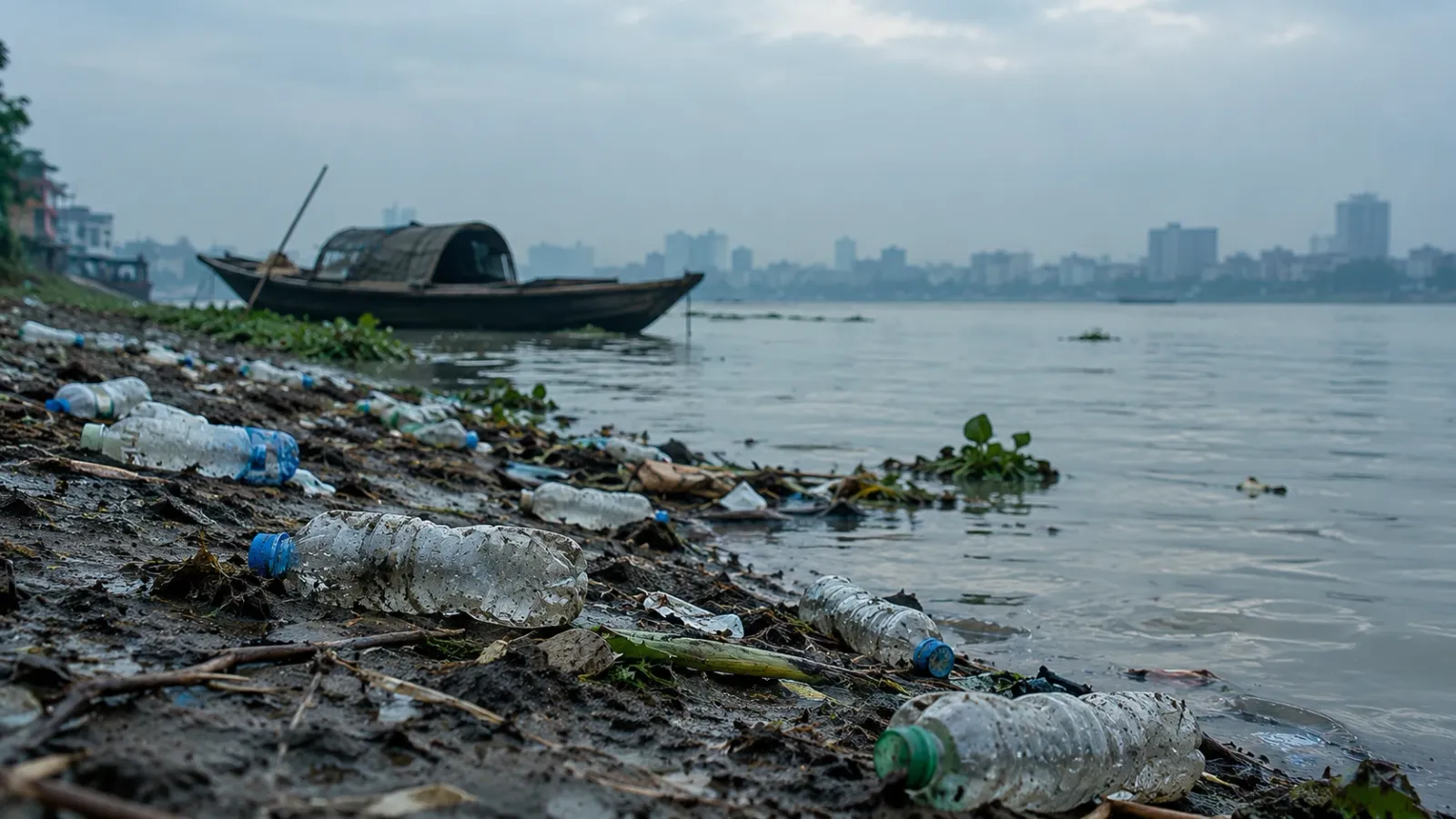
When researchers tested 50 bottles from 10 brands sold in Bangladesh, they found microplastics in every brand, at an average of about 35 particles per litre[4]. A 2024 study in the United States, using a newer laser technique that can see much smaller particles, counted an average of around 240,000 plastic particles per litre of bottled water, about 90% of them nanoplastics[5].
What each one really costs
Boiling
The government rate for a 12 kg LPG cylinder in October 2026 is ৳1,837[6], about ৳153 per kilogram, though many households report paying more in practice. Heating one litre of water from room temperature to boiling takes about 0.3 megajoules. LPG holds about 46 megajoules per kilogram, and a household stove passes on roughly 40–50% of that heat. That works out at around 13–16 grams of gas per litre: about ৳2–2.5 at the official price, or up to ৳3.5 at higher retail prices, before the extra minute at a rolling boil. This is our own estimate; your stove, pot and lid will change it.
A filter bottle
A Hydra replacement cartridge costs ৳399 and has a filtration capacity of 2,000 litres, which is about ৳0.20 per litre. The bottle itself is a one-off cost (৳999 for Hydra Lite, ৳1,899 for the insulated Hydra). Real filter life depends on your water quality, use and care, so follow the replacement instructions for your bottle.
Bottled water
Industry and press reports from 2023 put popular brands at ৳20 for 500 ml, ৳30 for 1.5 litres and ৳45 for 2 litres[7,8]: between ৳20 and ৳40 a litre depending on bottle size. Prices have risen since then rather than fallen.
Over a year
Someone drinking 2 litres a day uses about 730 litres a year. In 1.5-litre bottles that is roughly ৳14,600; boiled at home, roughly ৳1,500–2,500 in gas; through a filter bottle, less than one cartridge’s capacity, plus the bottle once.
Which should you use?
- Every day, at home: boil, or filter, and keep stored water covered and in clean containers.
- Out and about: a filter bottle, refilled from taps and fountains, instead of buying bottle after bottle.
- Floods, a boil-water notice, or a stomach bug going round: boil first, then filter if you want the microplastics out as well. Viruses are the bigger risk in floodwater, and a filter bottle does not remove them.
- Tube-well water: neither boiling nor a filter bottle removes arsenic. An estimated 20 million people in Bangladesh were exposed to arsenic above the national limit in 2009[9]. Drink from a well that has been tested and marked arsenic-safe.
- Seawater: none of these. Salt needs desalination.
The bottom line
Boiling is the most thorough way to kill germs and the right call when viruses are a risk. A filter bottle is the cheapest per litre, the only one of the three you can carry and refill, and it also takes out microplastics. Bottled water is the convenient fallback, at about a hundred times the cost per litre of a filter, with plastic inside and outside the bottle. For most people in Bangladesh the sensible routine is a mix: boil at home when it matters, and filter on the go.
Questions people ask
Does boiling remove microplastics?
Not reliably. A 2024 laboratory study found that boiling hard water traps some plastic particles in the limescale that forms, removing up to about 90% in very hard water but only around 25% in soft water. It is a side effect, not a method to rely on.
Is bottled water safer than tap water?
Bottled water is usually free of germs, but it is not free of plastic. A study of 10 bottled-water brands sold in Bangladesh found microplastics in every brand, at an average of about 35 particles per litre.
Can I pour boiled water into a filter bottle?
Yes, once it has cooled. Boiling first and filtering second covers viruses as well as the bacteria, parasites and microplastics the filter removes. It is the safest routine during floods or a boil-water notice.
How long does one Hydra cartridge last?
Each cartridge has a filtration capacity of 2,000 litres. At 2 litres a day that is a lot of water, but real filter life depends on your water quality, use and care, so follow the replacement instructions for your bottle.
Which method removes arsenic?
None of these three. Boiling concentrates arsenic slightly as water evaporates, and filter bottles like Hydra do not remove it. Use a tube well tested and marked arsenic-safe, or a treatment system certified for arsenic.
Sources
- World Health Organization (2015). Boil water: technical brief. WHO.
- US Centers for Disease Control and Prevention (n.d.). Household water treatment. CDC.
- American Chemical Society (press release on Zeng and colleagues) (2024). Want fewer microplastics in your tap water? Try boiling it first (Environmental Science & Technology Letters). ACS.
- Hossain MB, Yu J, Banik P, et al. (2023). First evidence of microplastics and their characterization in bottled drinking water from a developing country. Frontiers in Environmental Science 11.
- Qian N, Gao X, Lang X, et al. (2024). Rapid single-particle chemical imaging of nanoplastics by SRS microscopy. Proceedings of the National Academy of Sciences 121(3).
- UNB (2026). LPG price rises by Tk21 per kg, 12kg cylinder now Tk1,837 (BERC rate for October 2026). United News of Bangladesh.
- Emerging Credit Rating Ltd (2023). Bottled Drinking Water Industry in Bangladesh: Insights on Market and Consumers Attitudes. ECRL industry report.
- The Financial Express (2023). Bottled water prices of some brands rise despite case pending. The Financial Express.
- Flanagan SV, Johnston RB, Zheng Y (2012). Arsenic in tube well water in Bangladesh: health and economic impacts and implications for arsenic mitigation. Bulletin of the World Health Organization 90(11):839–846.
Written by Nawfel Ahamad, a chemical engineering graduate of BUET and co-founder of Hydra. This guide is general information, not medical advice. If you are unsure about a water source, ask a health professional or ask us before you drink from it.