Safe drinking water during floods in Bangladesh: what to do
Floodwater gets into tube wells, tanks and pipes. How to make drinking water safe when it does: what to boil, how to treat cloudy water, and where a filter bottle fits.
The short answer
During a flood, treat all drinking water as unsafe, even if it looks clear. Boil it at a rolling boil for one minute, or use water purification tablets as directed. If the water is cloudy, filter or settle it first. A filter bottle helps with cloudy water and bacteria, but does not remove viruses, so boil or disinfect as well.
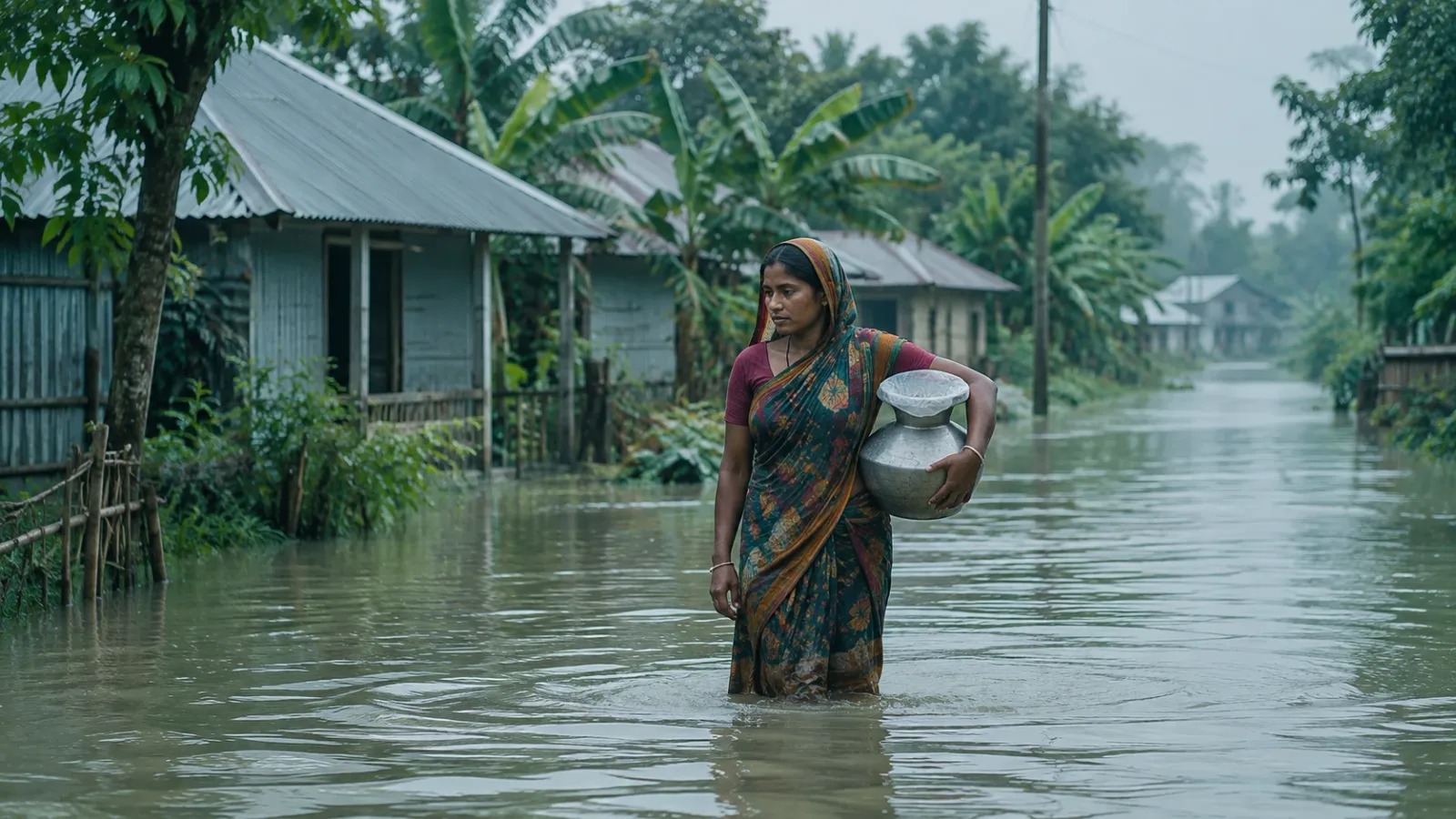
Every monsoon, floods reach somewhere in Bangladesh. In August 2024, flash floods in the east affected about 5.8 million people across 11 districts, from Feni and Noakhali to Cumilla and Moulvibazar, and left water, sanitation and hygiene facilities under water, raising the threat of water-borne disease[1].
In a flood, the danger is often not running out of water but drinking the wrong water. This guide sets out what floodwater does to drinking water and the simple steps that make it safe.
Why floods make drinking water unsafe
Floodwater mixes with everything it covers: latrines, drains, animal waste, farm chemicals and fuel. It gets into shallow tube wells, ponds, open tanks and broken pipes, and carries bacteria, viruses and parasites with it. Diarrhoeal diseases spread quickly in the weeks during and after a flood for exactly this reason.
Treat all drinking water as unsafe during a flood, even if it looks clear. Water can look clean and still carry germs[5].
Step 1: If the water is cloudy, clear it first
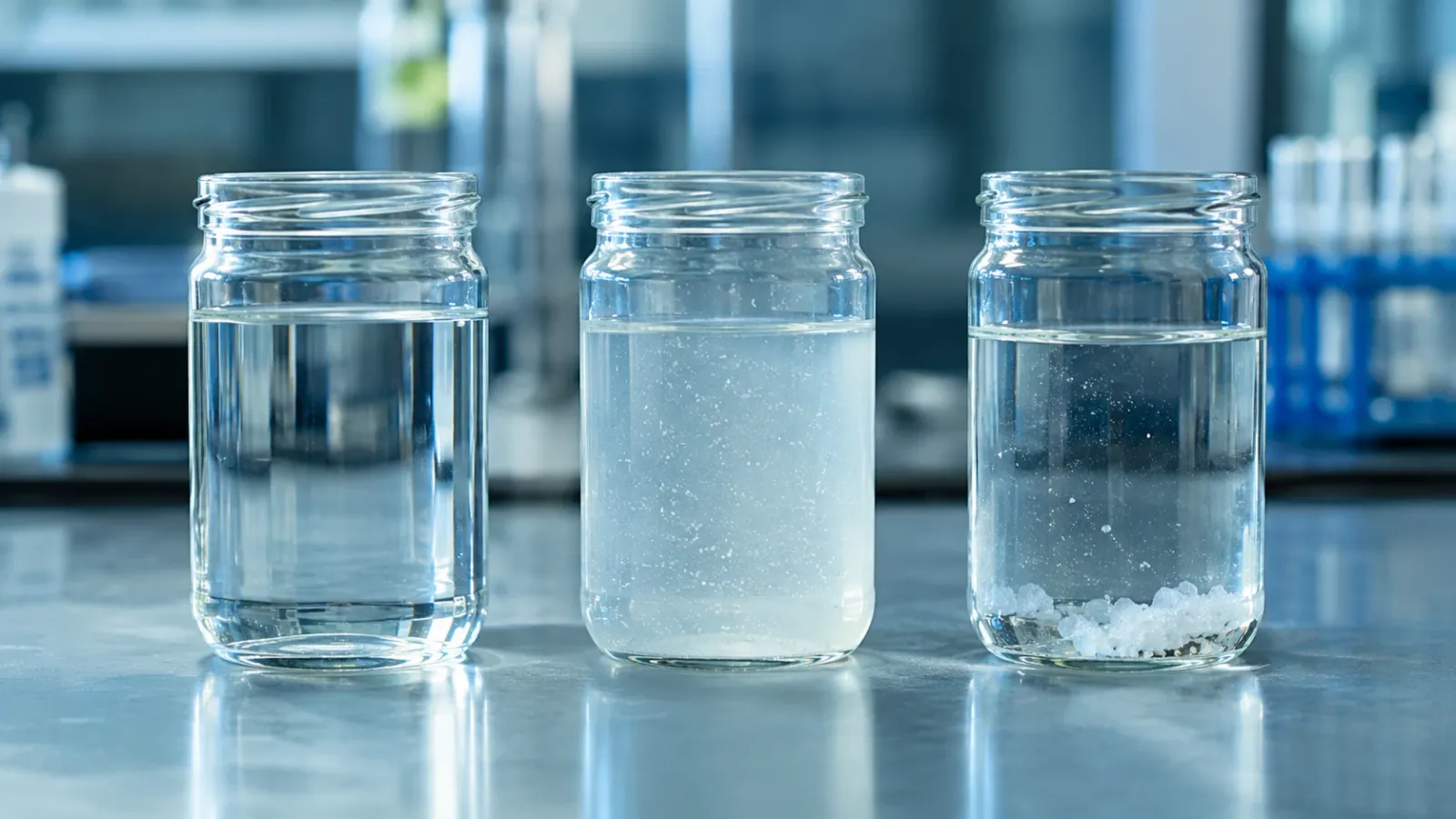
Dirt in the water shields germs and uses up chlorine, so treatment works far better on clear water[4]. The CDC’s advice is to pour cloudy water through a clean cloth, paper towel or coffee filter, or to let it stand until the dirt settles, and then draw off the clear water from the top[2].
Step 2: Kill the germs
Boil it: the most reliable method
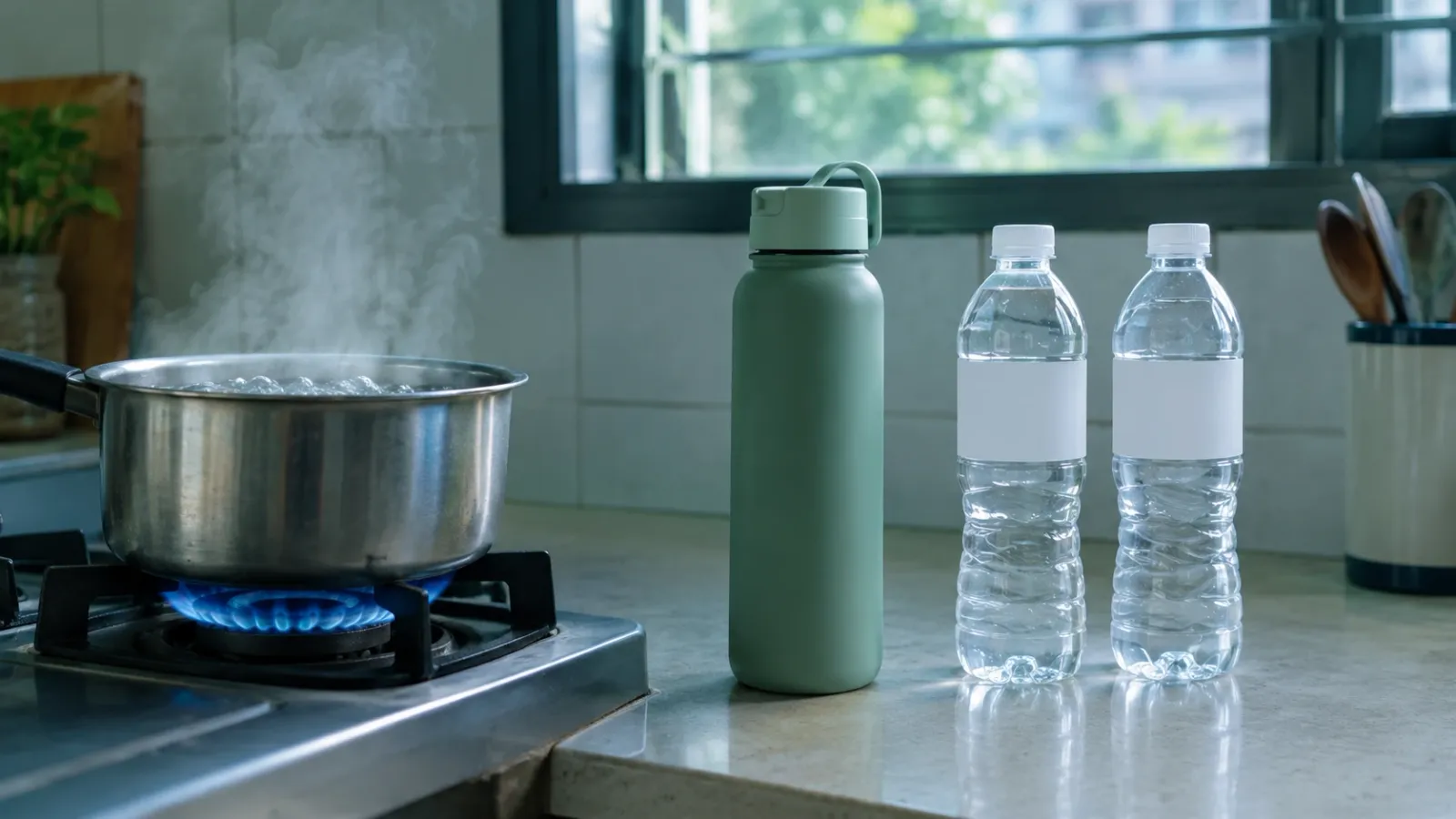
Bring the clear water to a rolling boil, with large bubbles breaking the surface, and keep it there for one minute[2]. Boiling kills bacteria, viruses and parasites[3]. Let it cool in the covered pot, then store it in a clean, covered container.
Or disinfect it, if you cannot boil
When there is no gas or fuel, water purification tablets, often handed out by relief teams, or unscented household bleach can disinfect water. Follow the dose on the packet exactly, use more only if the instructions say to for cloudy water, and wait the full time before drinking: CDC advises at least 30 minutes for bleach[2]. One limit to know: chlorine is weak against the parasite Cryptosporidium[4], which is another reason to filter or boil when you can.
Where a filter bottle fits in a flood
A filter bottle is still useful in a flood, as one step of two:
- Boil first, then filter the cooled water. Boiling deals with viruses; the filter takes out the microplastics that boiling leaves in.
- Or filter first, then disinfect. CDC suggests adding a chemical disinfectant to filtered water to kill any viruses that remain[2].
Tube wells after a flood
A tube well that was under floodwater is not safe just because the water has gone down. Treat its water, by boiling or disinfecting, until the well and the platform around it have been cleaned and disinfected, and ideally tested. If your area has arsenic in its groundwater, remember that neither boiling nor a filter removes it; use a well marked arsenic-safe.
Store safe water safely
- Keep treated water in clean containers with lids, raised off the floor and away from floodwater.
- Pour or use a tap; do not dip cups or hands into the container.
- Wash containers with treated water before refilling them.
- Use treated water for brushing teeth, washing food and making baby formula as well as drinking.
Before the next flood: a simple kit
- Sealed bottled water for the first day or two.
- Water purification tablets, and a lighter or matches with fuel for boiling.
- Two clean containers with lids, and a clean cloth for straining cloudy water.
- A filter bottle for the microplastics and as a first step, never as the only step.
- Oral rehydration salts, in case anyone gets diarrhoea.
The bottom line
In a flood, assume every source is contaminated. Clear cloudy water first, then boil it for one minute or disinfect it as directed, and store it covered. A filter bottle is a useful extra step, but never the only one when floodwater may carry viruses. For how the methods compare day to day, see boiling vs a filter bottle vs bottled water.
Questions people ask
Is tube-well water safe to drink after a flood?
Not until it has been treated. Floodwater can get into a tube well and its surroundings. Boil or disinfect the water until the well has been cleaned, disinfected and, ideally, tested after the water goes down.
How long should I boil water during a flood?
Bring clear water to a rolling boil, with large bubbles, for one minute. If the water is cloudy, filter it through a clean cloth or let it settle first, then boil the clear water.
Can I use a filter bottle with floodwater?
Not on its own. A filter bottle like Hydra removes bacteria and parasites, but it does not remove viruses, which are a bigger risk in floodwater. Boil or disinfect the water too: boil first and filter the cooled water if you also want microplastics out.
Do water purification tablets work on cloudy water?
Less well. Dirt in cloudy water uses up the chlorine. Filter or settle the water first, follow the dose on the packet, double it only if the instructions say so, and wait the full contact time before drinking.
Does boiling remove chemicals from floodwater?
No. Boiling kills germs but removes no fuel, pesticides or other chemicals that floodwater can carry. If water may be chemically polluted, use sealed bottled water or water from a safe source.
Sources
- Dhaka Tribune (2024). UN: Floods hit 5.8 million people in 11 districts in Bangladesh. Dhaka Tribune.
- US Centers for Disease Control and Prevention (n.d.). How to Make Water Safe in an Emergency. CDC.
- World Health Organization (2015). Boil water: technical brief. WHO.
- US Centers for Disease Control and Prevention (n.d.). Water Disinfection for Travelers (CDC Yellow Book). CDC.
- US Centers for Disease Control and Prevention (n.d.). About Water Treatment Options When Hiking, Camping, or Traveling. CDC.
Written by Nawfel Ahamad, a chemical engineering graduate of BUET and co-founder of Hydra. This guide is general information, not medical advice. If you are unsure about a water source, ask a health professional or ask us before you drink from it.